7 hr 30 min
Mauna Kea Summit Sunset & Stargazing Adventure from Hilo
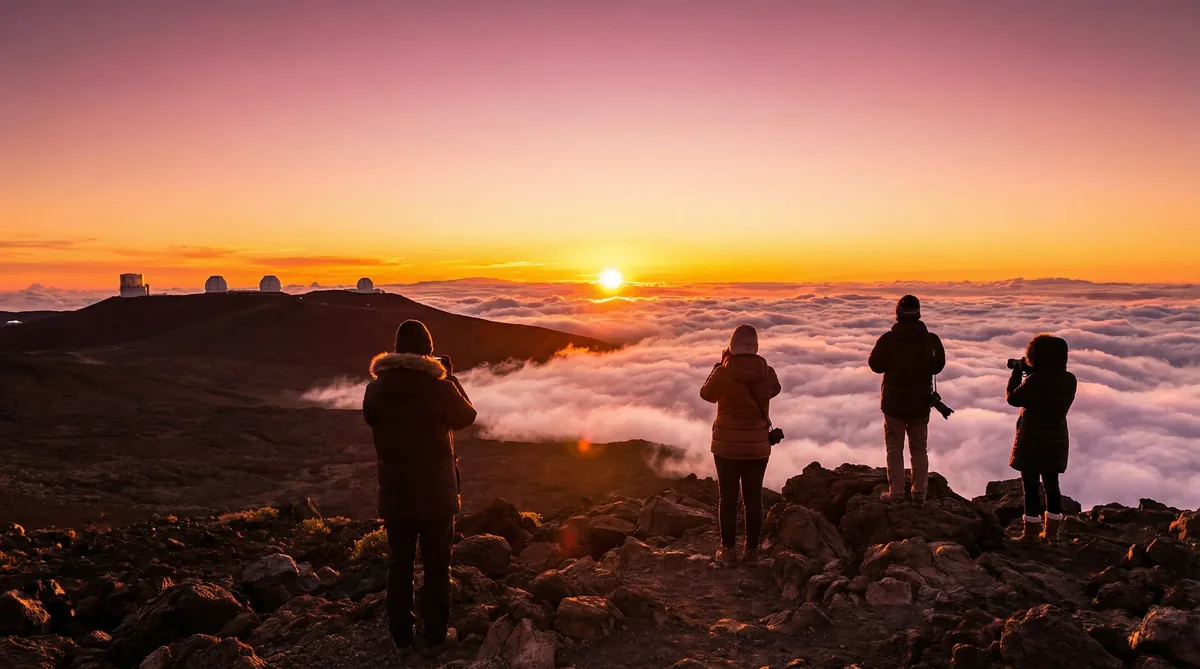
Watch the sunset from the Pacific's highest peak, view world-class telescopes, and stargaze with hot cocoa.
Reserve
Two thousand eight hundred metres of climbing, one unfiltered view of everything.
Hand-picked by our editors — only the best 12 Mauna Kea Stargazing Tour tours from 214 reviewed.
Verified partners for Mauna Kea Stargazing tours, free cancellation where available, and instant confirmation on every booking.
7 hr 30 min
Watch the sunset from the Pacific's highest peak, view world-class telescopes, and stargaze with hot cocoa.
Reserve
8 hr
Experience a Mauna Kea sunset at 13,800 feet and stargazing with professional DSLR photos included.
Reserve
6 hr
Discover volcanic wonders and peer deep into the cosmos with expert astronomers using advanced telescopes.
ReservePrices from verified partners. Availability updates in real time at checkout. Free cancellation policies apply where shown.
Mauna Kea Stargazing tours depart from multiple cities — pick the one closest to where you're staying.
Tours departing from Hilo include round-trip transfers in an air-conditioned vehicle, bilingual guides, and the option of pickup from a common meeting point or directly from your hotel.
Tours departing from Kona include round-trip transfers in an air-conditioned vehicle, bilingual guides, and the option of pickup from a common meeting point or directly from your hotel.
The landmarks, rooms, and views travelers on Mauna Kea Stargazing tours remember — all visible on a single visit.
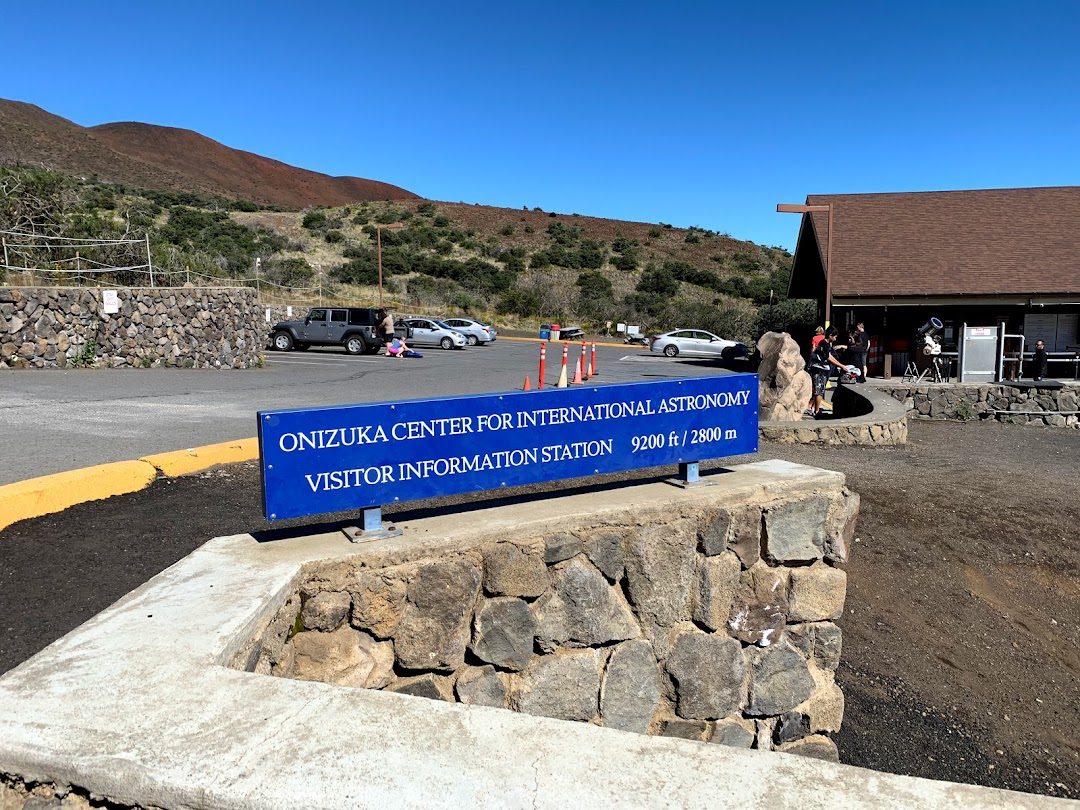
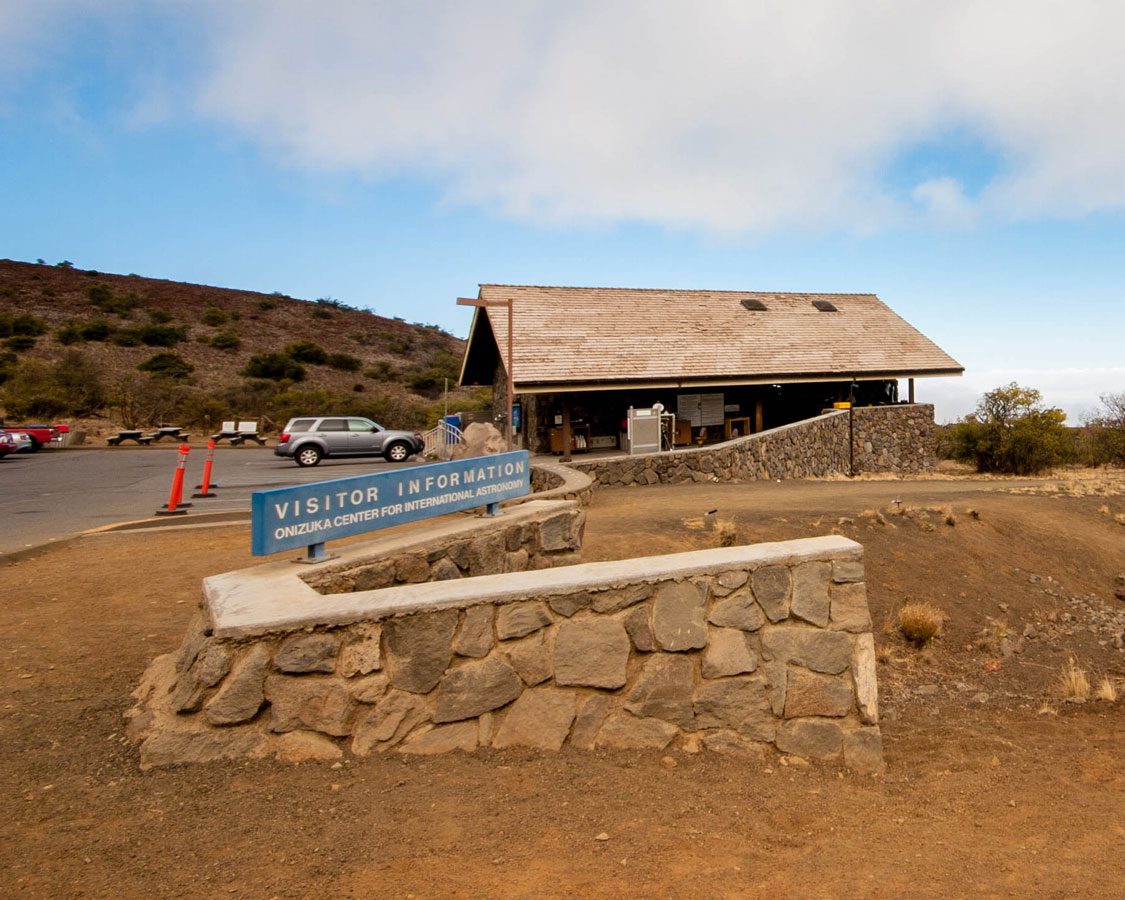
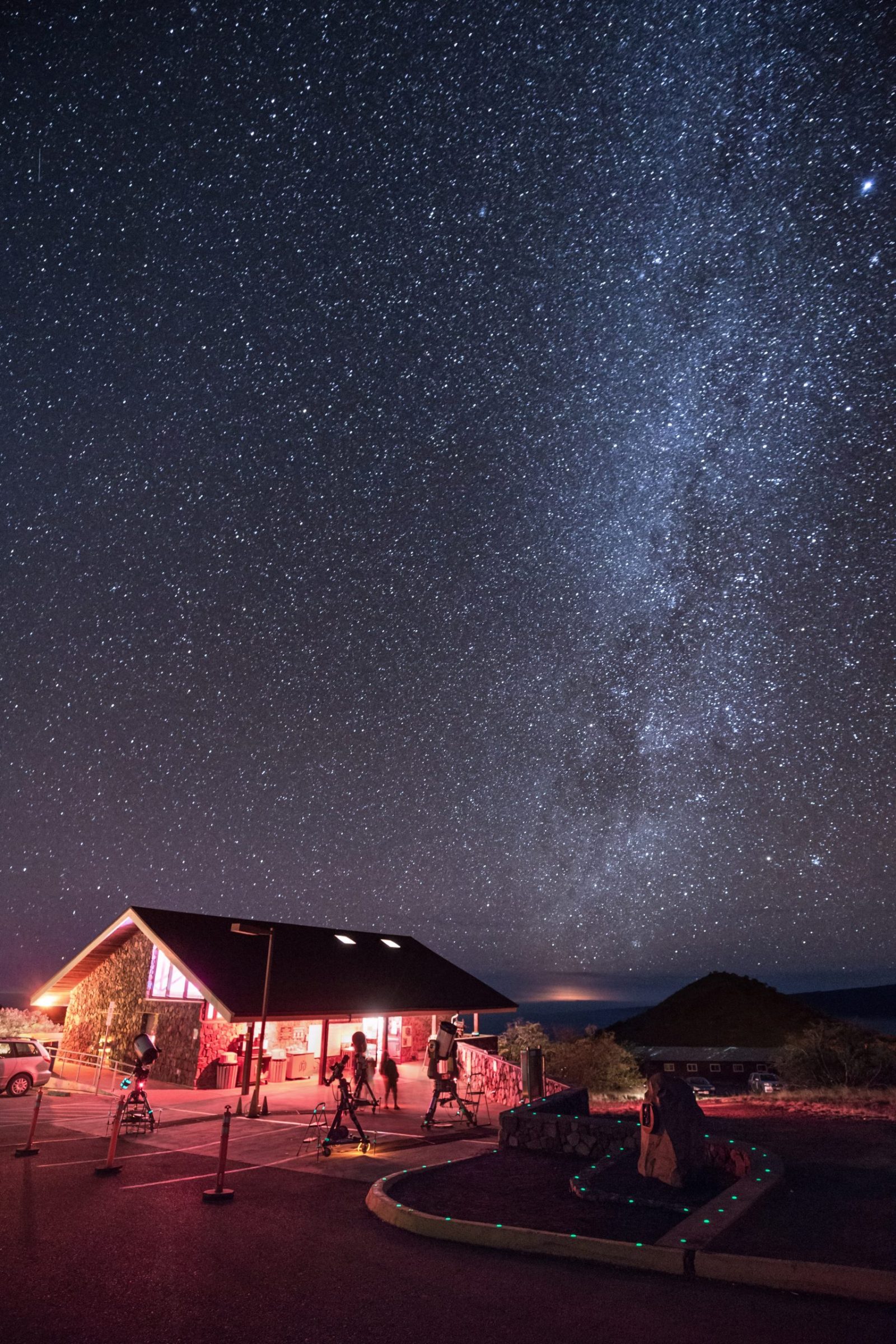
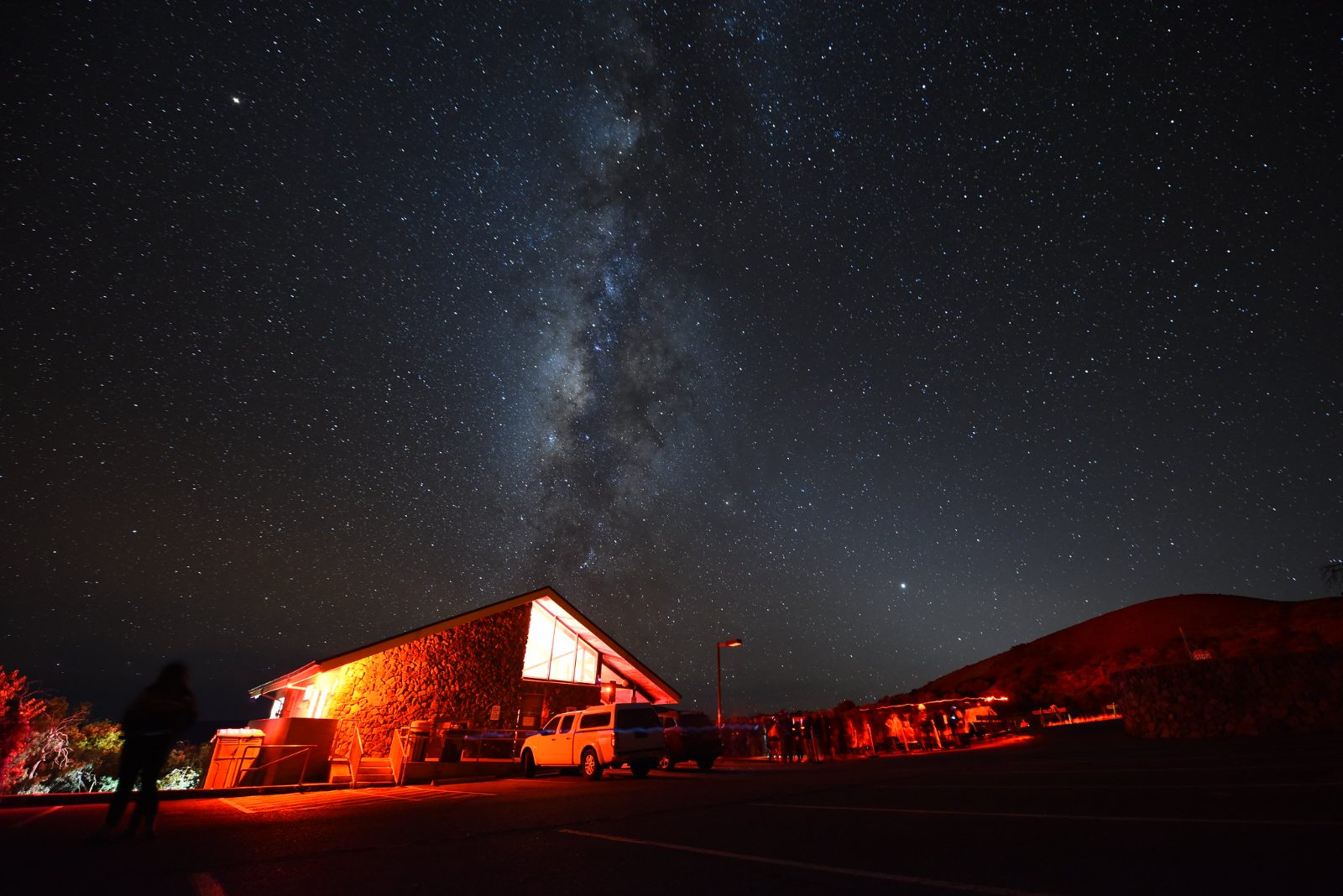
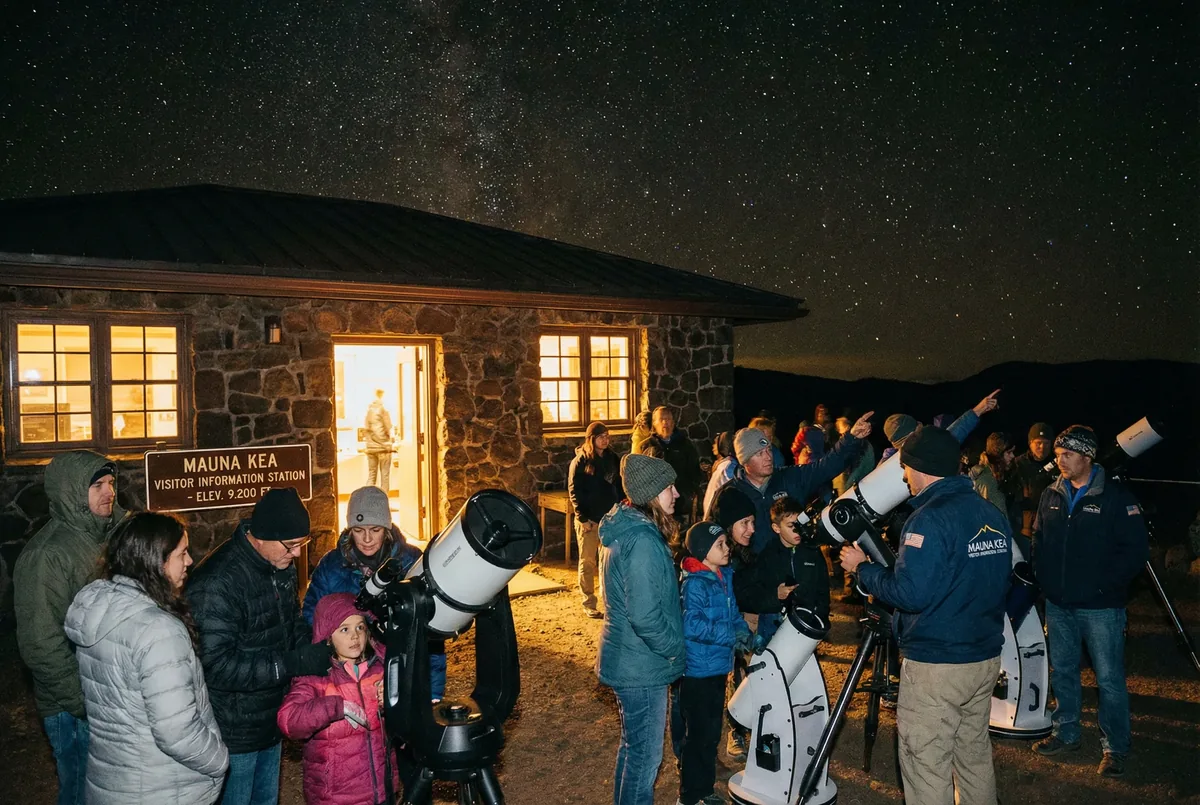
Located at 9,200 feet, this mid-level facility serves as the safety hub and public star-viewing center. It features educational displays about the mountain's cultural significance and astronomical importance.
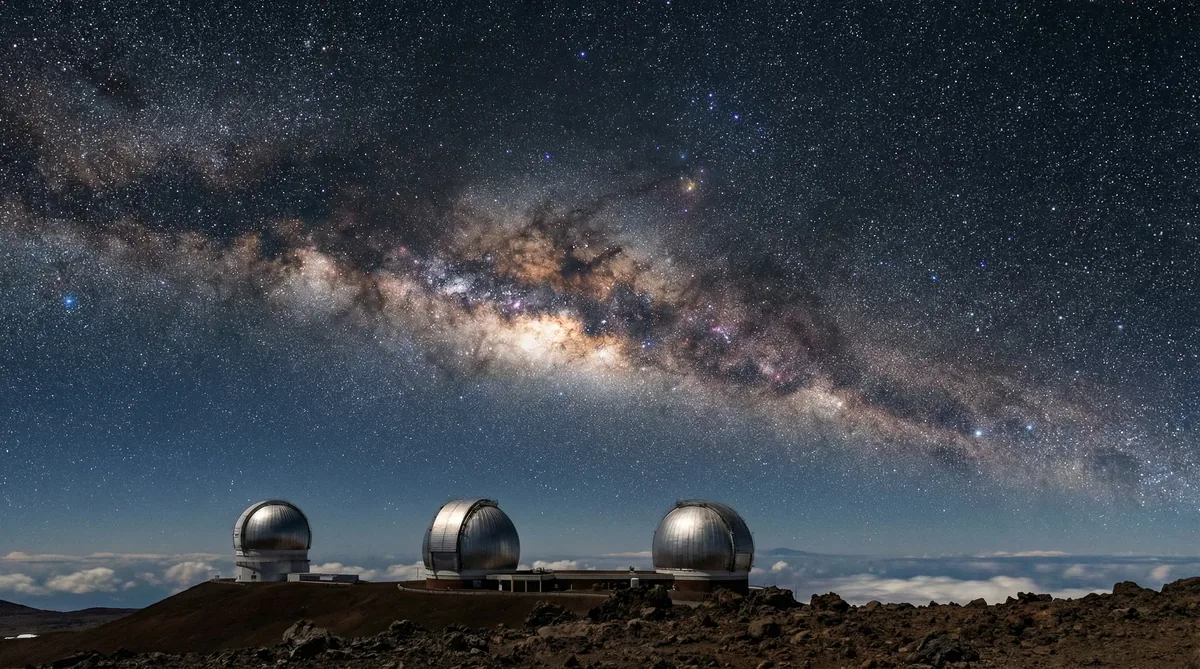
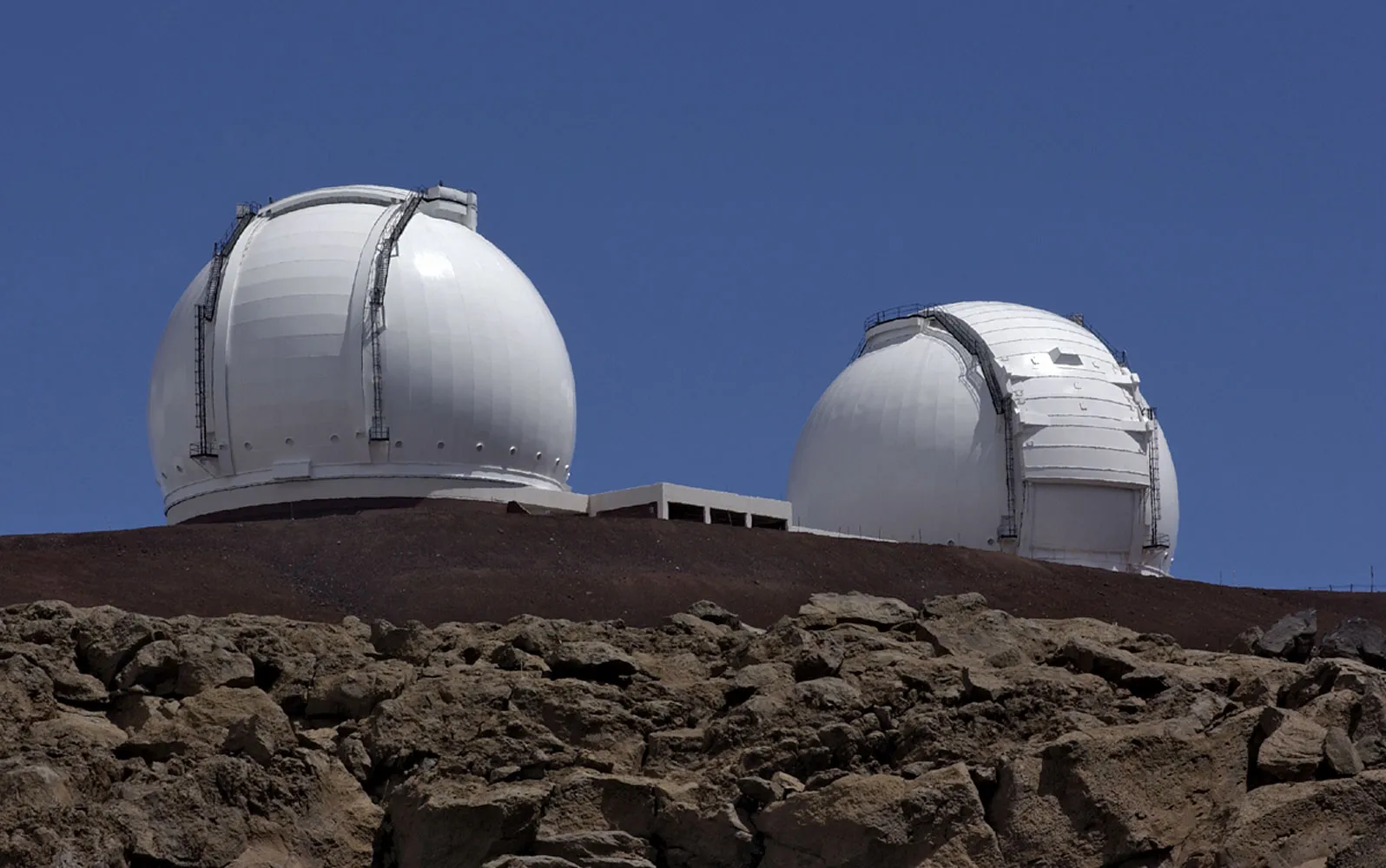
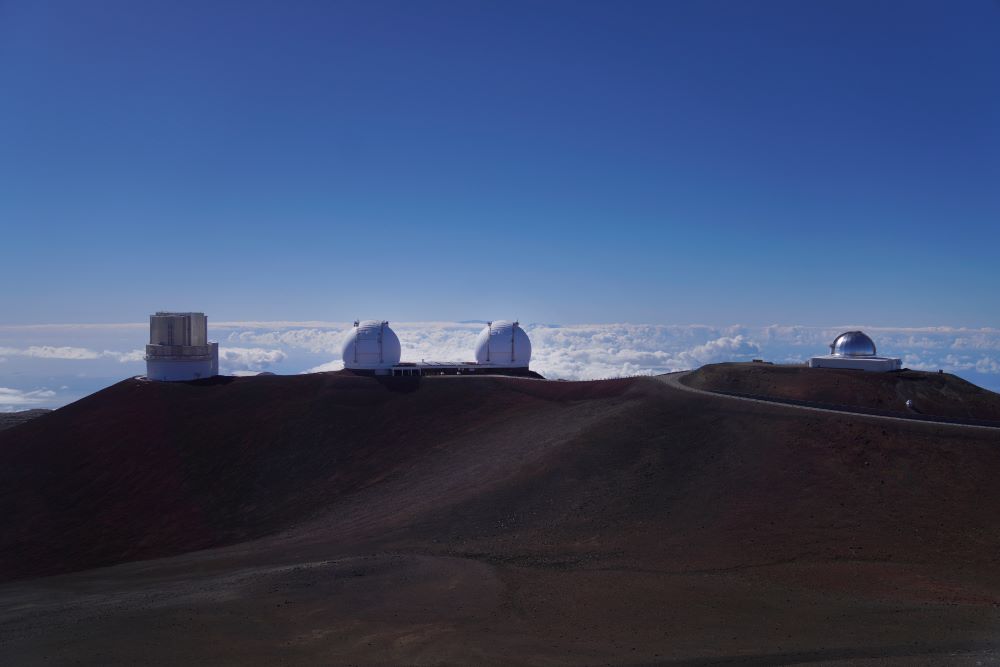
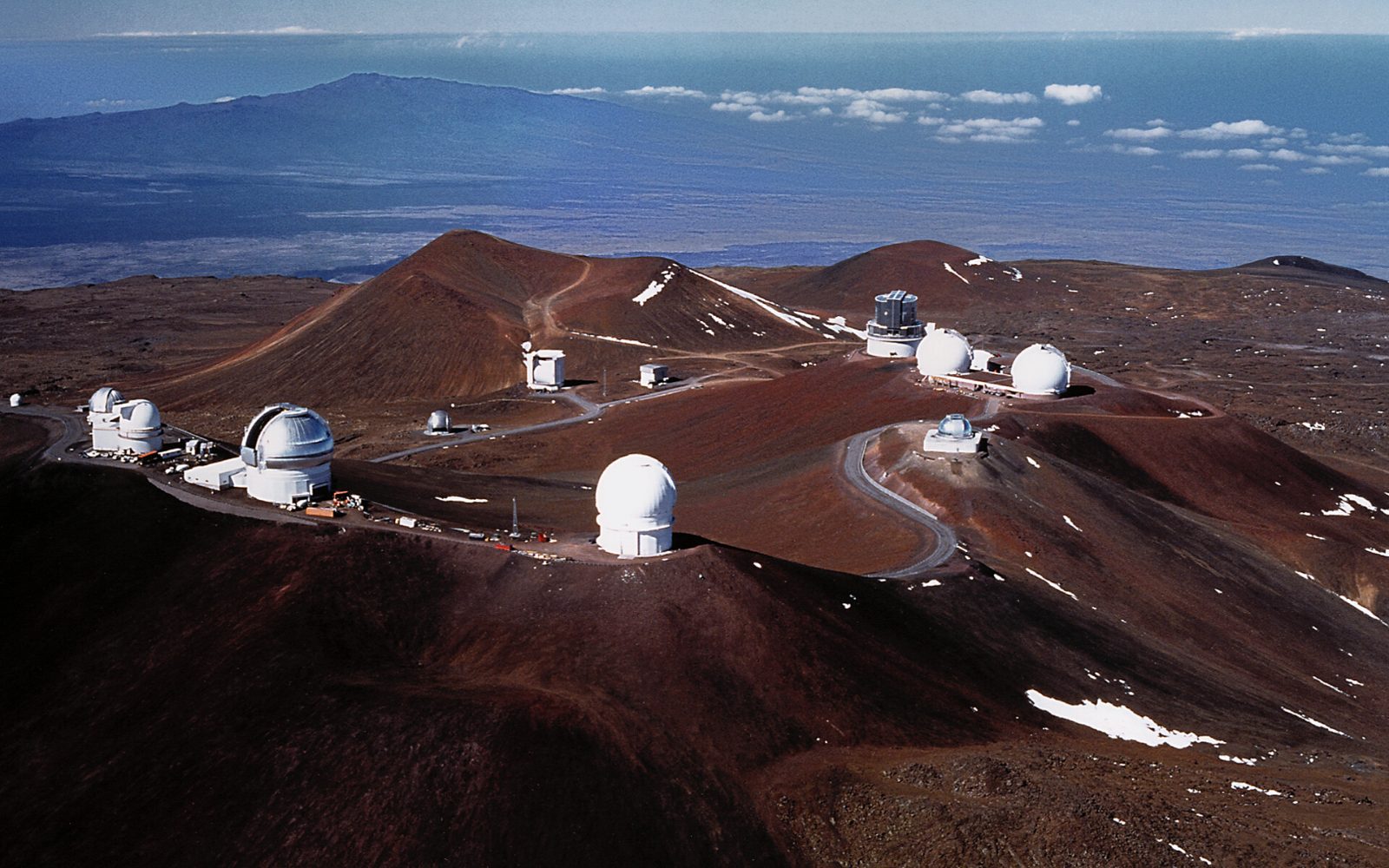
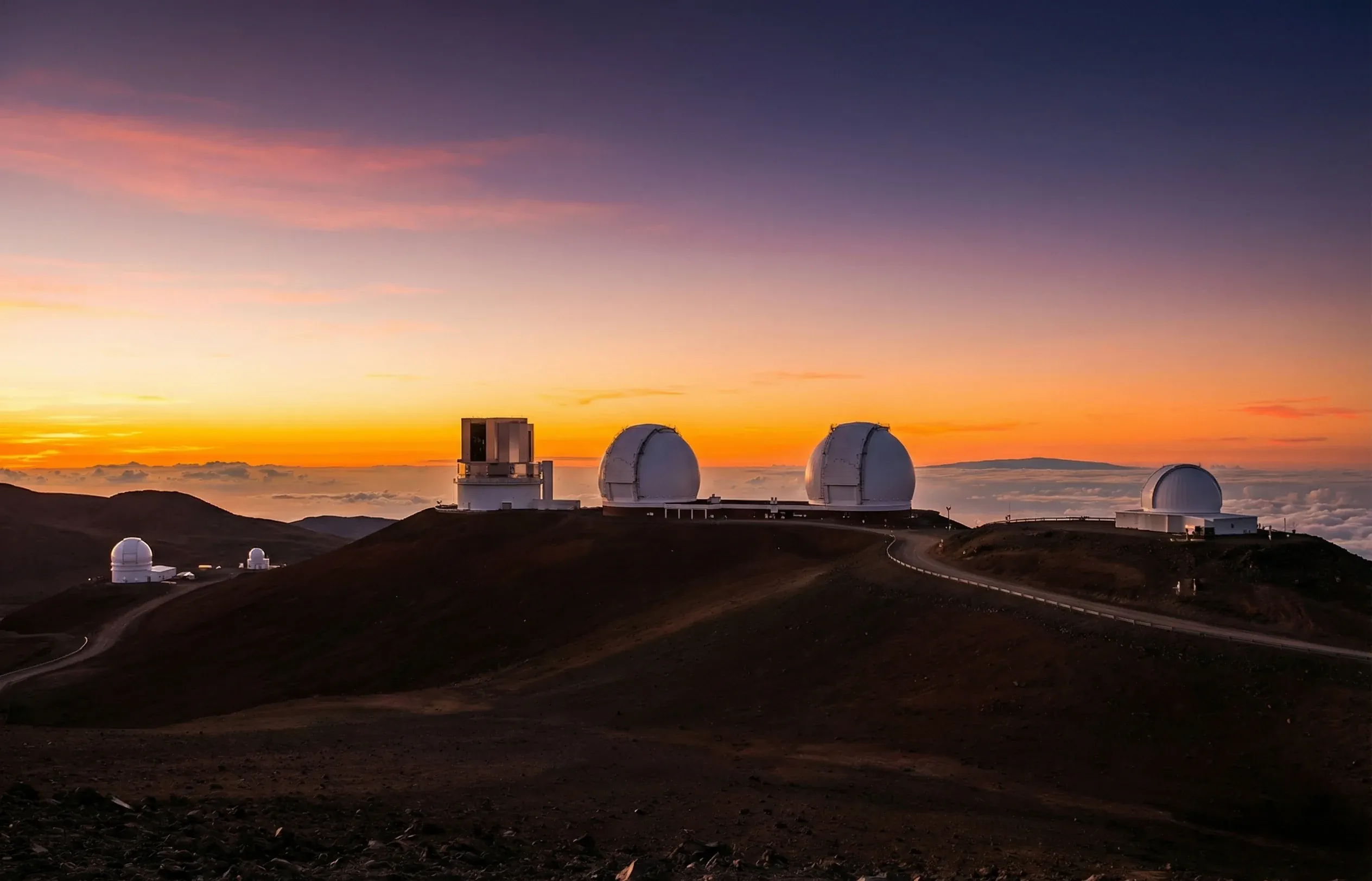
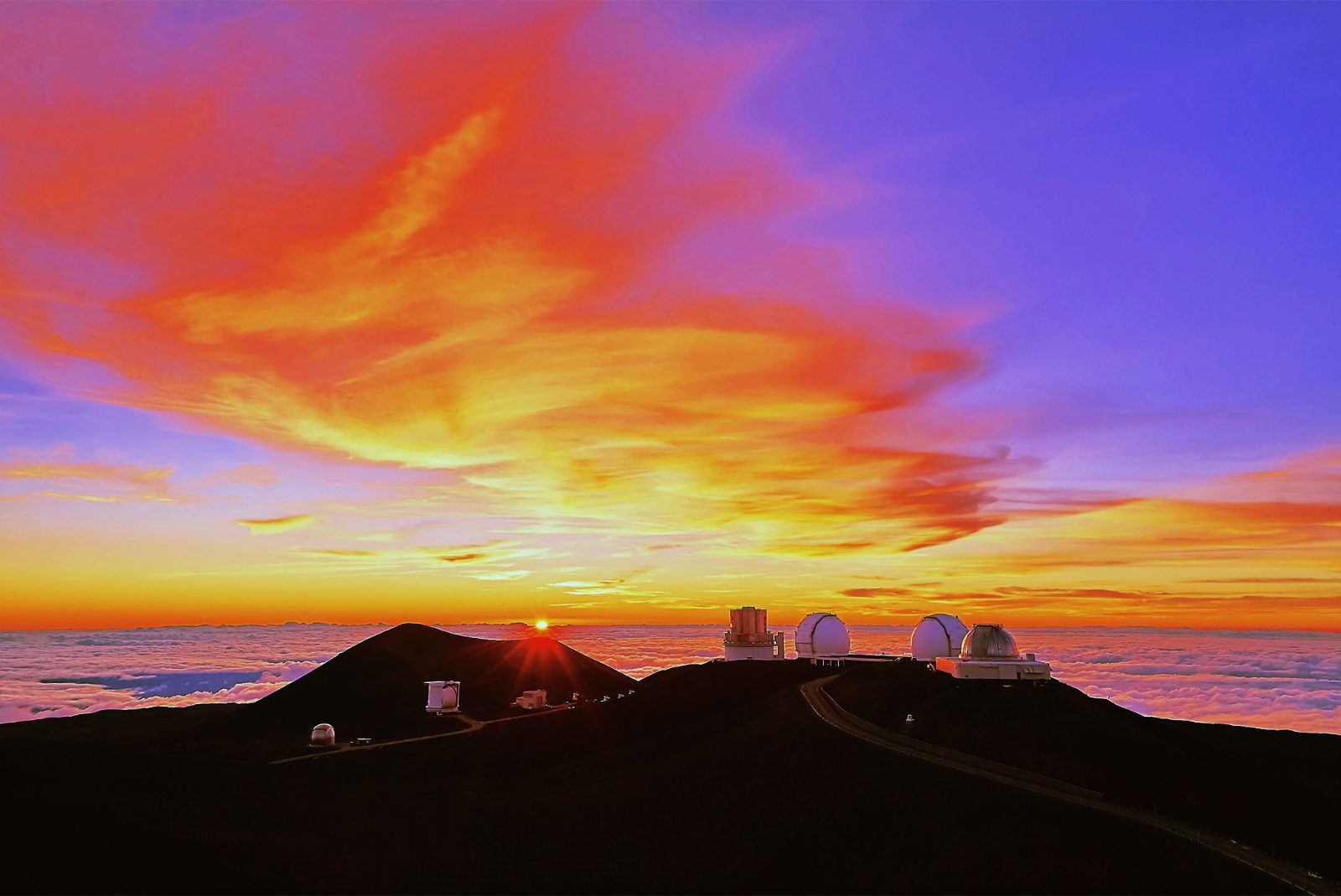
This facility features twin 10-meter optical-infrared telescopes that rank among the most scientifically productive on Earth. The domes stand prominently near the summit at over 13,600 feet.
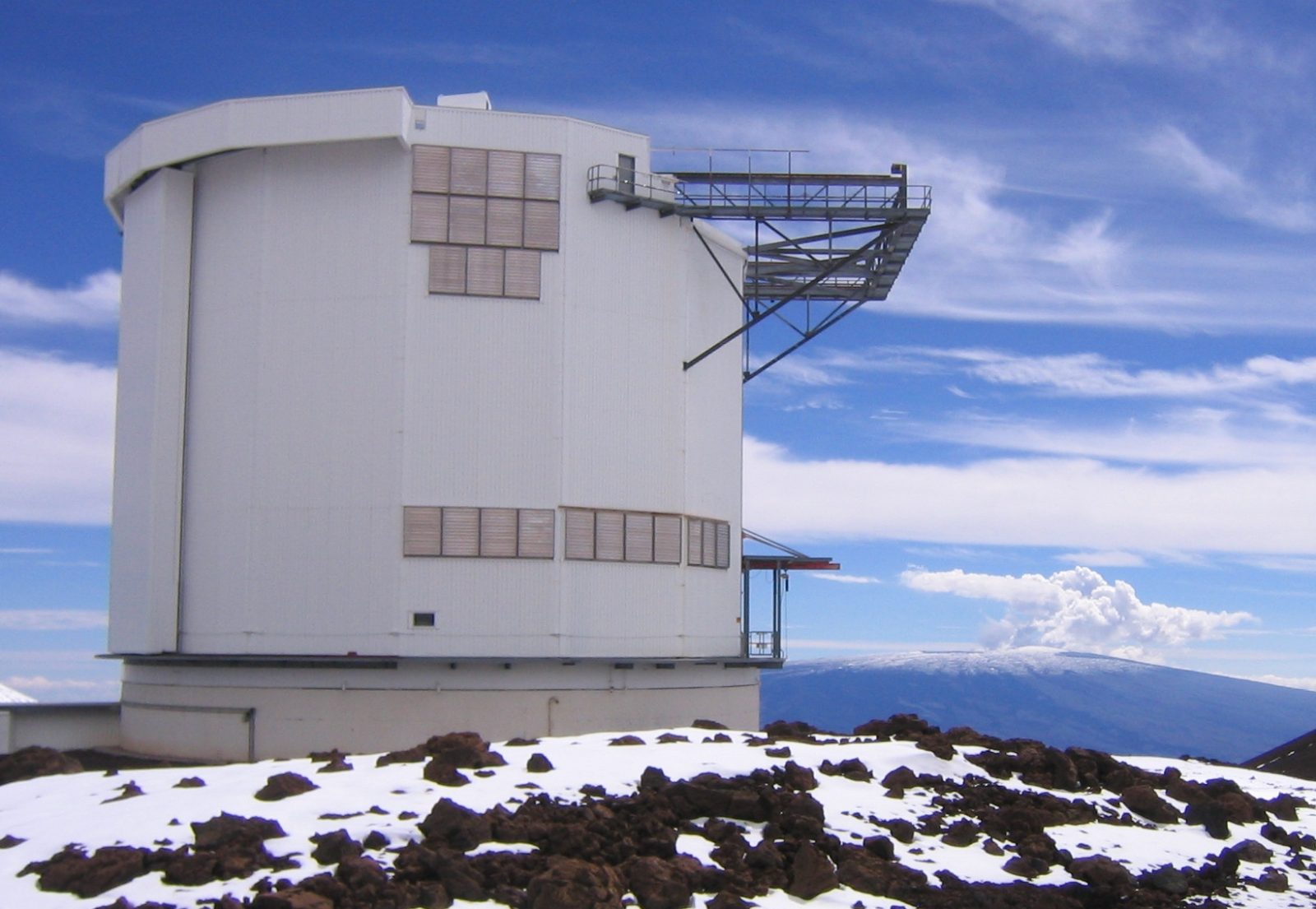
Operated by the National Astronomical Observatory of Japan, this 8.2-meter telescope features a unique cylindrical dome designed to minimize air turbulence. It specializes in wide-field deep-space imaging.
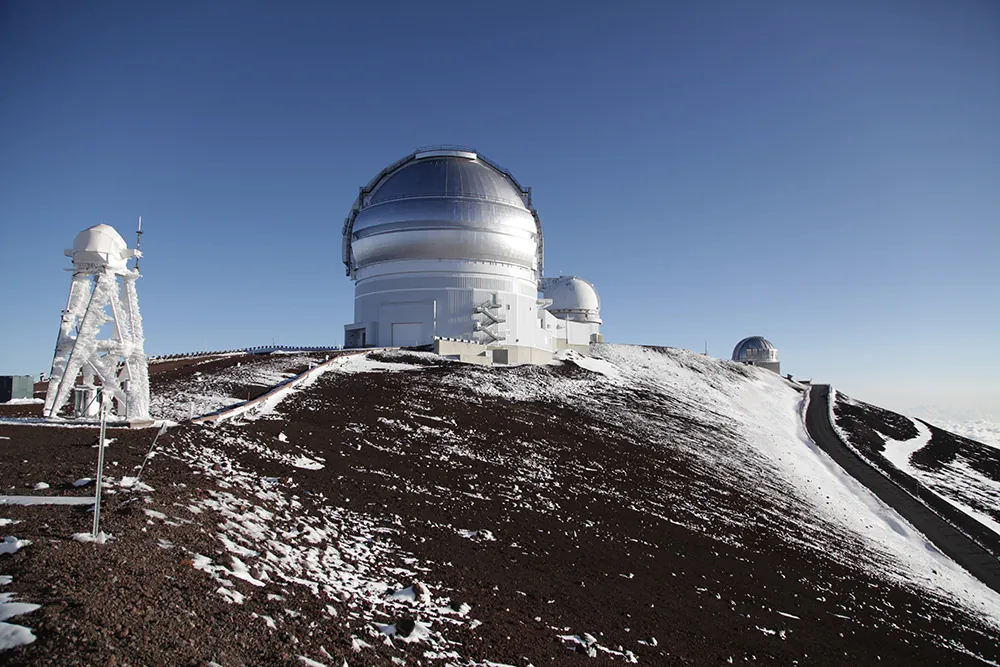
An 8.1-meter optical and infrared telescope that utilizes advanced adaptive optics to produce exceptionally sharp images of cosmic structures. It operates in partnership with multiple nations.
The largest single-dish submillimeter telescope in the world, this instrument measures light wavelengths between radio and infrared. It specializes in observing the cold dust and gas where stars are born.
Every Mauna Kea Stargazing tour side-by-side — duration, what's included, how you redeem.
| Experience | Duration | Rating | Skip-the-line | Guide | Small group | Free cancel. | Price | |
|---|---|---|---|---|---|---|---|---|
|
Guided Experience Most popular
Mauna Kea Summit Sunset & Stargazing Adventure from Hilo
|
7 hr 30 min | ★ 4.8 | ✓ | ✓ | ✓ | ✓ | €250 | Book → |
|
Guided Experience
Mauna Kea Sunset and Stargazing Tour with DSLR Photos
|
8 hr | ★ 4.8 | ✓ | ✓ | ✓ | ✓ | €260 | Book → |
|
Guided Experience
Mauna Kea Volcanic & Stargazing Adventure from Kona
|
6 hr | ★ 4.3 | ✓ | ✓ | ✓ | ✓ | €207 | Book → |
All prices from verified partners. Availability and exact terms confirmed at checkout.
Guided tours are the superior option for safety and convenience, while a self-drive DIY trip is better for budget-conscious visitors with a specialized vehicle. Booking official mauna kea stargazing tour tours provides a stress-free journey to the 13,803-foot summit without risking rental contract violations or damaging brakes. For travelers who want to skip the complex planning, choosing a guided mauna kea stargazing tour tour ensures you bypass the strict ranger checks at the Visitor Information Station. Experts monitor group oxygen levels and provide heavy parkas to handle the freezing temperatures near the top.
| Feature | Top pick Guided Tour | Self-Drive DIY |
|---|---|---|
How you get there |
Guided luxury van or coach transport | Personal drive via Saddle Road |
Vehicle requirements |
None (provided by tour operator) | Strict 4WD with low-range gear |
Summit access |
Guaranteed access (unless weather closed) | Often prohibited by rental contracts |
Stargazing quality |
Expert-guided telescopes at lower elevation | Self-guided stargazing at Visitor Center |
Included amenities |
Parkas, hot dinner, drinks, telescopes | None |
Price per person |
$230 to $330 | $0 (plus vehicle rental fees) |
Safety and altitude risk |
Low (guided acclimation, oxygen provided) | High (unmonitored ascent, no backup oxygen) |
| See tickets → |
Verdict: While there is no entry fee for the mountain itself, purchasing mauna kea stargazing tour tickets secures your guide, warm parkas, telescope access, and hot dinner. However, if you own an approved 4x4 or rent a specialized vehicle, a self-guided sunset drive offers maximum schedule flexibility and significant budget savings for families.
Choose your ticket, select your date, and reserve in under two minutes. Secure checkout handled by our verified partner.
Instant confirmation by email, with a mobile voucher you can save offline. No printing, no queuing at a collection desk.
Arrive at the entrance, show your voucher on your phone, and walk in. Most tickets include priority or skip-the-line access.
Practical details for Mauna Kea Stargazing tickets straight from our verified partners — hours, access, rules, and how to get there.
Mauna Kea Access Road, Hilo, HI 96720
Meet at the main entrance of the visitor center next to the outdoor telescope viewing area.
Open in Google MapsDrive along the Daniel K. Inouye Highway (Saddle Road) and turn onto the Mauna Kea Access Road to begin your self-guided Mauna Kea stargazing tour. The drive to the mid-level station takes about 1 hour from Hilo.
Pre-arranged private shuttle services can transport visitors to the visitor center, but standard ride-shares do not operate here.
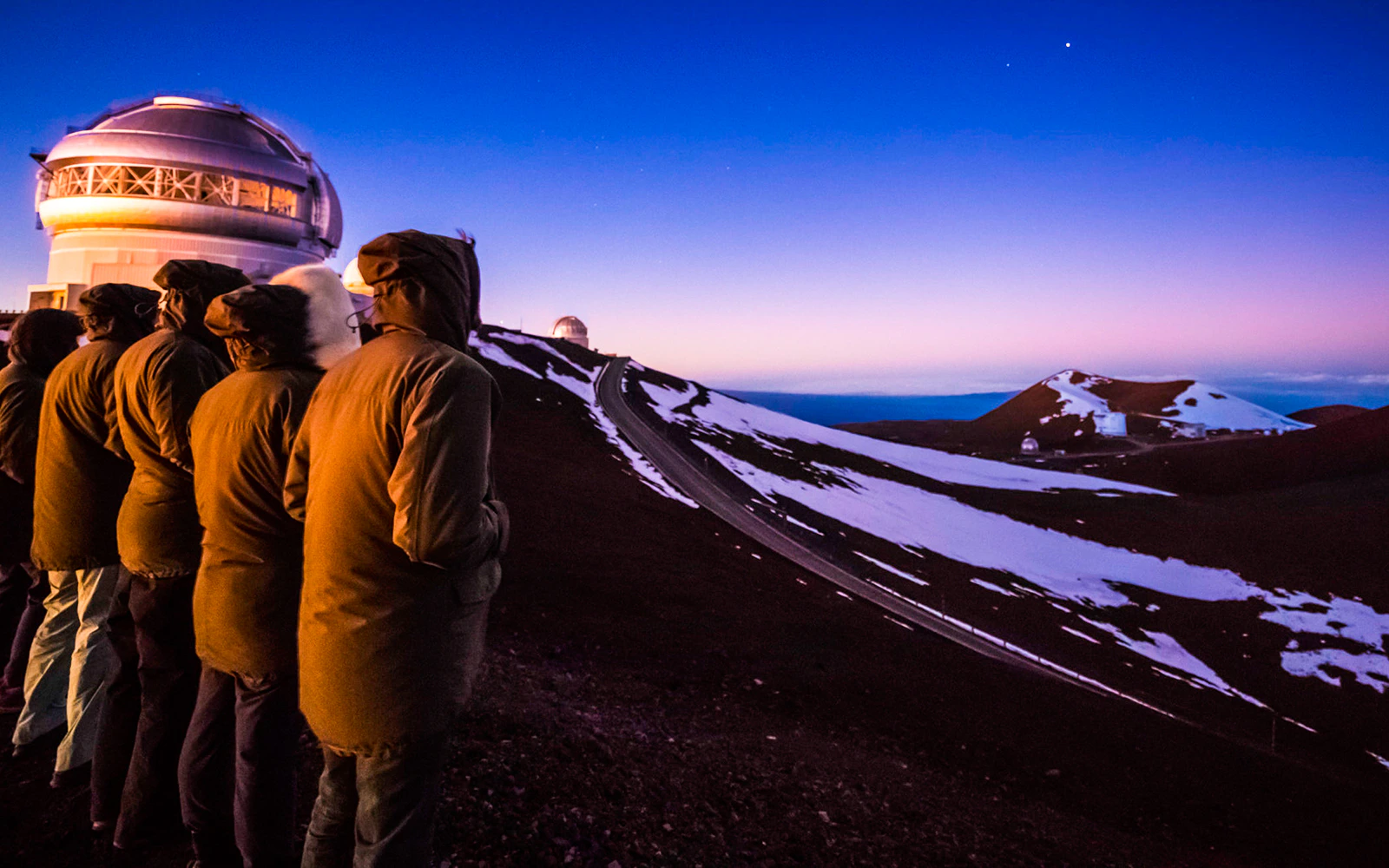
Temperatures drop below freezing at the summit and mid-level areas. Dress in heavy layers, including a thermal jacket, long pants, gloves, closed-toe shoes, and a beanie. Do not underestimate the extreme cold even during summer.
There are no security lockers or check-in facilities at the station. Keep all personal belongings secure in your vehicle. Booking a Mauna Kea stargazing tour tours operator ensures you receive specific luggage storage guidelines for transit.
Using a flash is strictly prohibited to preserve dark sky conditions for astronomical observation. Use a tripod and long exposure settings for night photography. If you are on a Mauna Kea stargazing tour tour, check if your operator provides astro-photography equipment.
The Visitor Information Station offers accessible parking and restrooms, but the surrounding terrain is uneven and gravelly. The high altitude of 9,200 feet may cause breathing difficulties for individuals with respiratory issues.
Cellular service is extremely limited on the mountain. To prevent interference with the highly sensitive radio telescopes, visitors must switch their mobile phones to airplane mode or turn them off.
Children under the age of 13 are strongly discouraged from ascending past the mid-level facility due to the high risks of altitude sickness. Families should prepare warm clothing and stay near the station for safety. A Mauna Kea stargazing tour is best suited for older teenagers.
Only light snacks and hot beverages are available for purchase at the station gift shop. There are no full-service restaurants or grocery stores on the mountain, so visitors should pack their own meals and extra drinking water.
Pets are not permitted anywhere on the mountain or inside the facilities, with the sole exception of certified service animals. The harsh high-altitude climate and lack of shelter make the area unsuitable for animals.
Acclimatize at the mid-level facility for at least 30 to 45 minutes before attempting to drive higher. The summit road is steep and unpaved, requiring a true four-wheel-drive vehicle with low-range gears.
Mauna Kea Access Road, Hilo, HI 96720
Meet at the main entrance of the visitor center next to the outdoor telescope viewing area.
Get directionsBest time to go, insider tips, nearby landmarks, and the cancellation fine print — flip through to skim what matters to you.
How crowds, weather, and events shift across the year.
During the dry summer months, clear skies are most consistent, making it the prime time to join a Mauna Kea stargazing tour. Temperatures remain cold but are slightly more manageable.
September through November brings excellent dark sky conditions with fewer crowds, although sudden summit storms can occasionally close the access road.
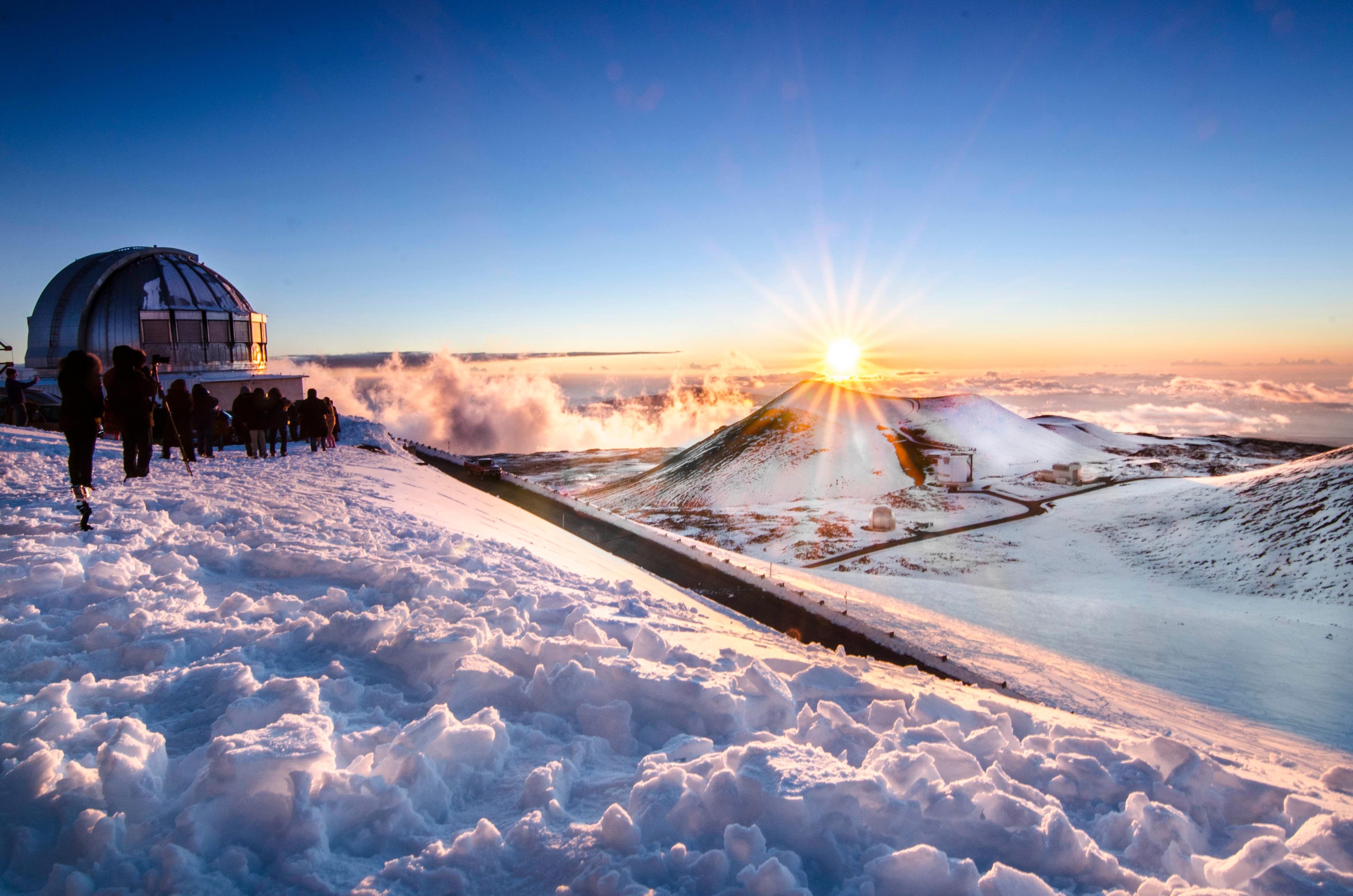
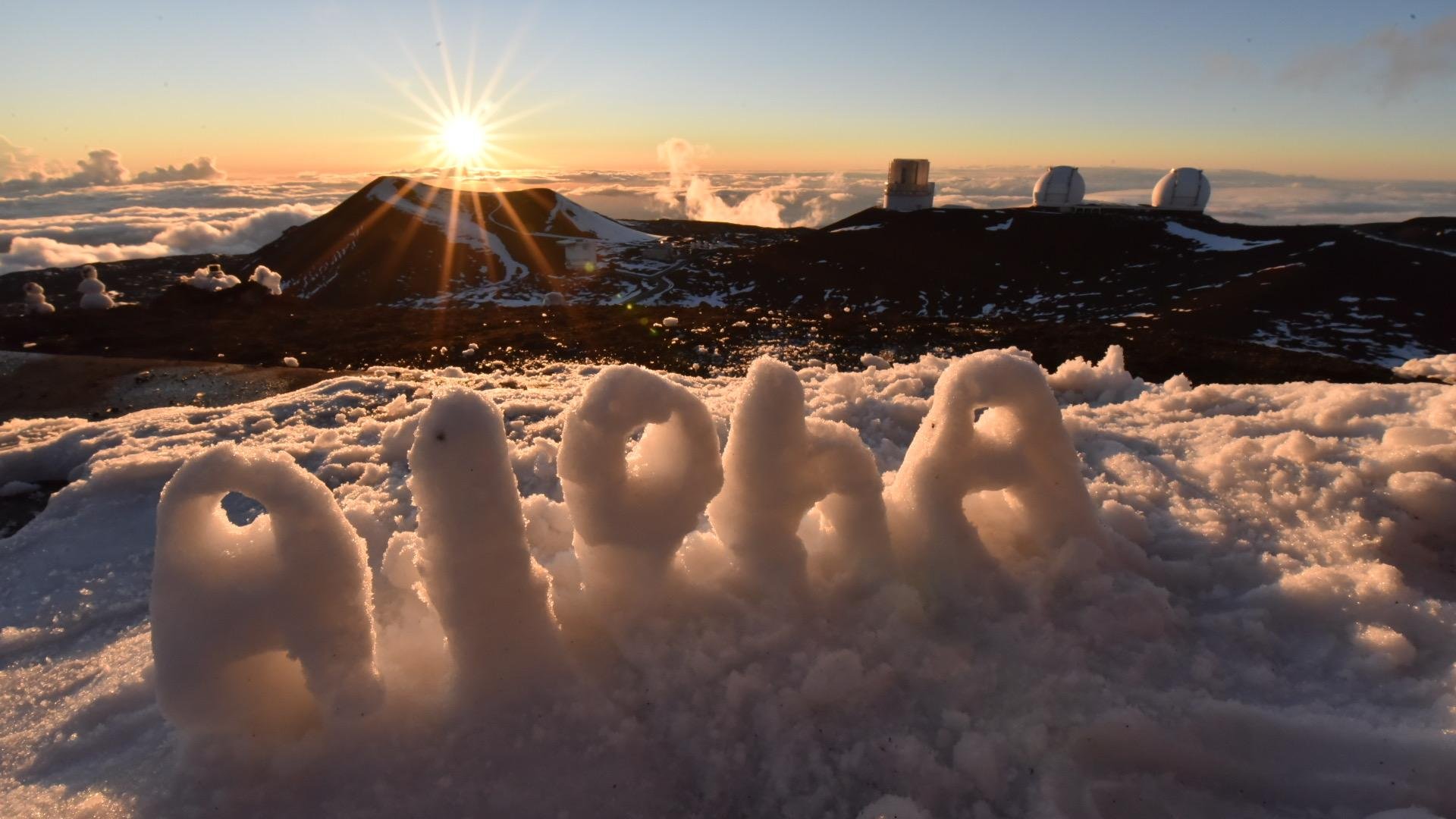
Snow frequently caps the summit, creating striking vistas, but frequent road closures and sub-zero temperatures require careful planning.
Spring offers clear night skies, but transition weather can bring unpredictable winds and cloud cover to the mid-level facility.
Small details that turn a good visit into a great one.
For the darkest skies, schedule your trip during the new moon phase. Bright moonlight washes out fainter stars and distant nebulae.
Spend at least 30 to 45 minutes at the 9,200-foot station to adapt to the lower oxygen levels before trying to go higher.
White light ruins night vision for you and others. Use a red-filtered light or red cellophane over your phone screen.
There are no gas stations on the mountain or anywhere along Saddle Road. Ensure you have a full tank before starting the climb.
Always check the Maunakea Weather Center online forecast before departing, as conditions can change rapidly.
Guided excursions sell out weeks in advance due to limited vehicle permits for the mountain road.
Non-bookable sights within a short walk — free to visit, easy to pair.
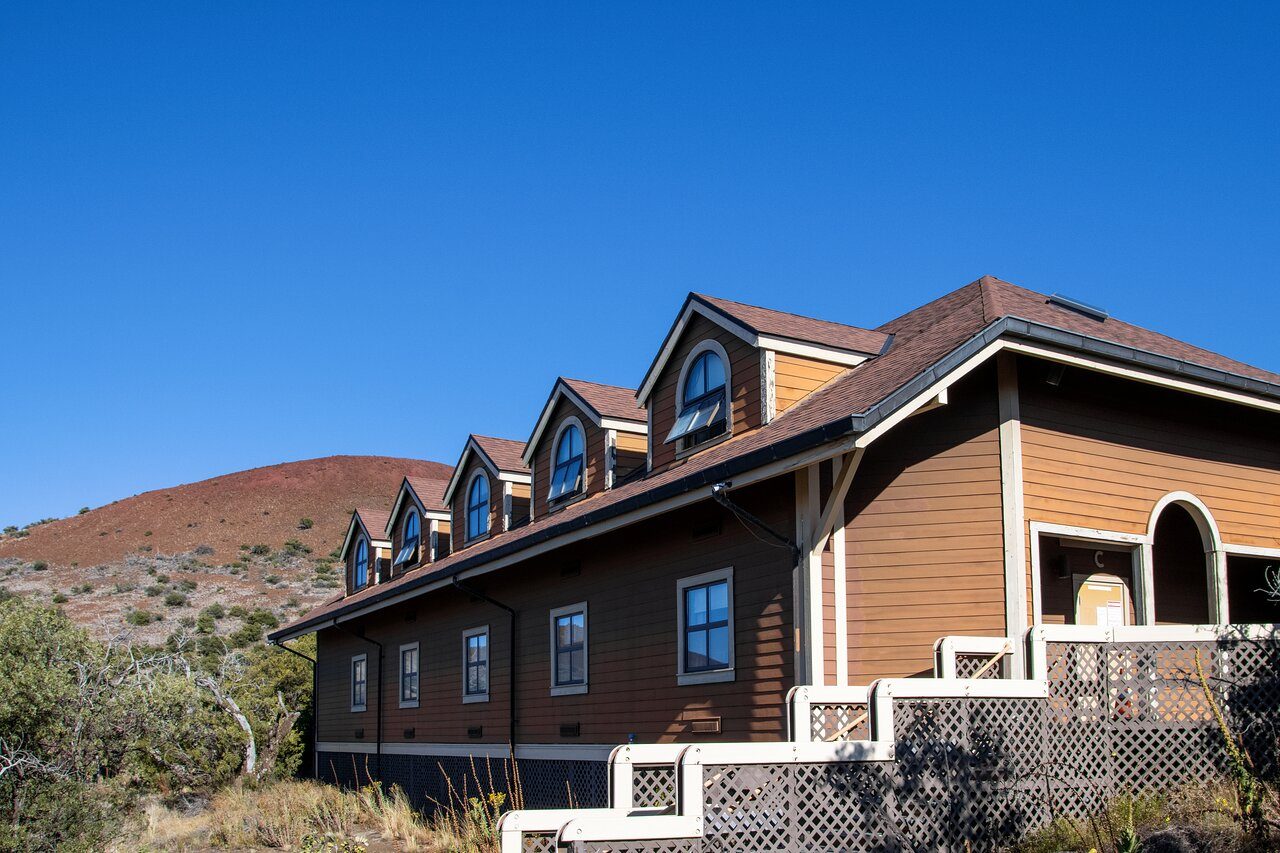
The mid-level facility housing astronomers and support staff, located right next to the visitor center.
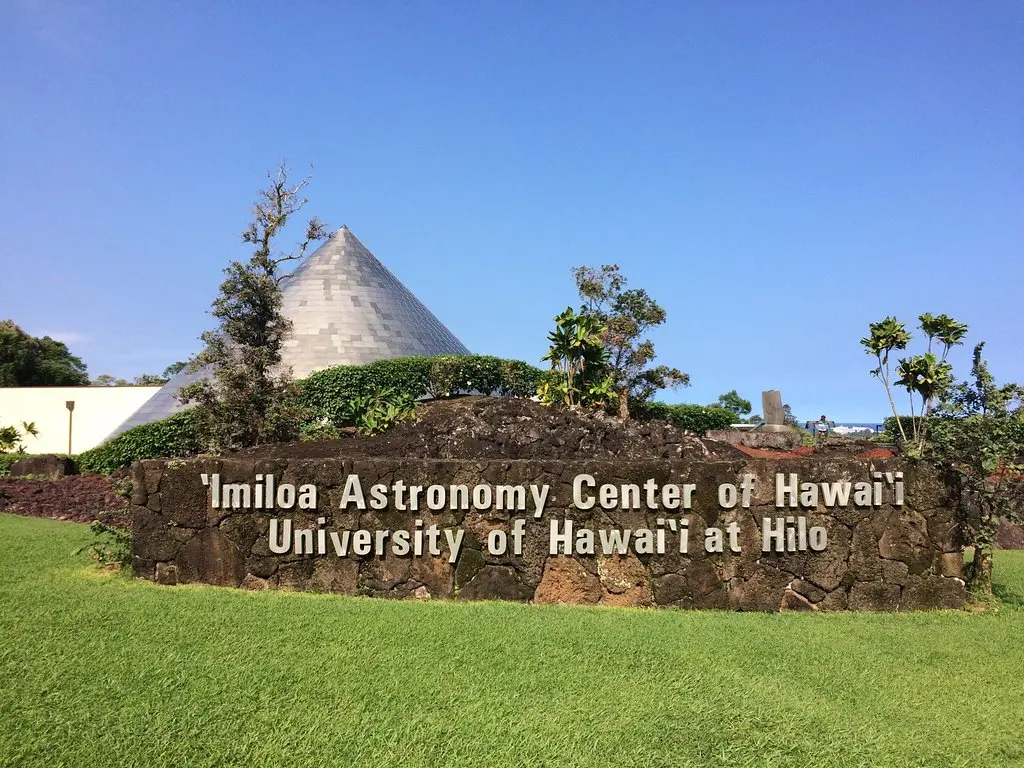
An interactive science center in Hilo that features exhibits on Hawaiian culture and astronomy.
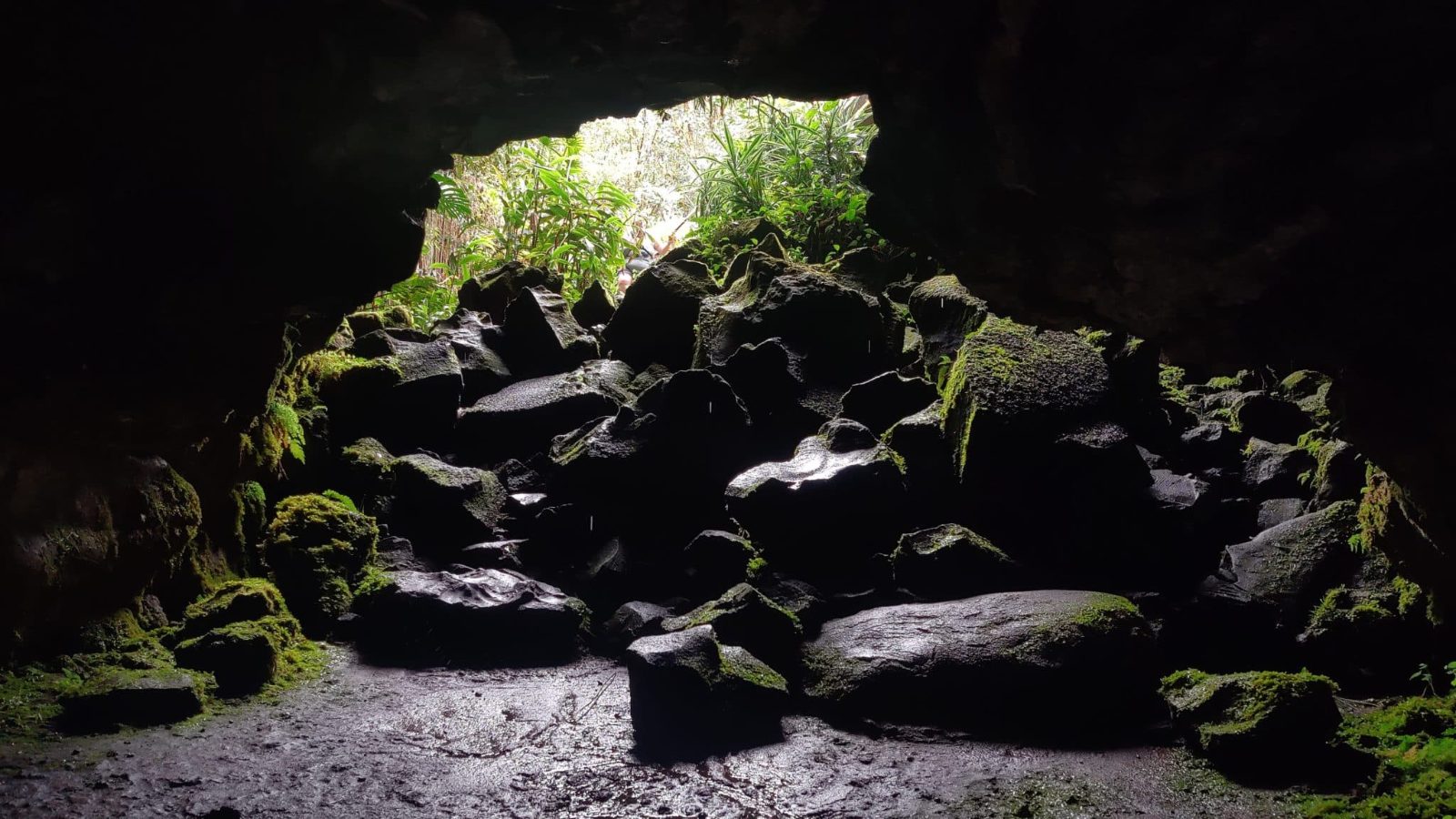
A historic lava tube park located along the Saddle Road route towards Hilo.
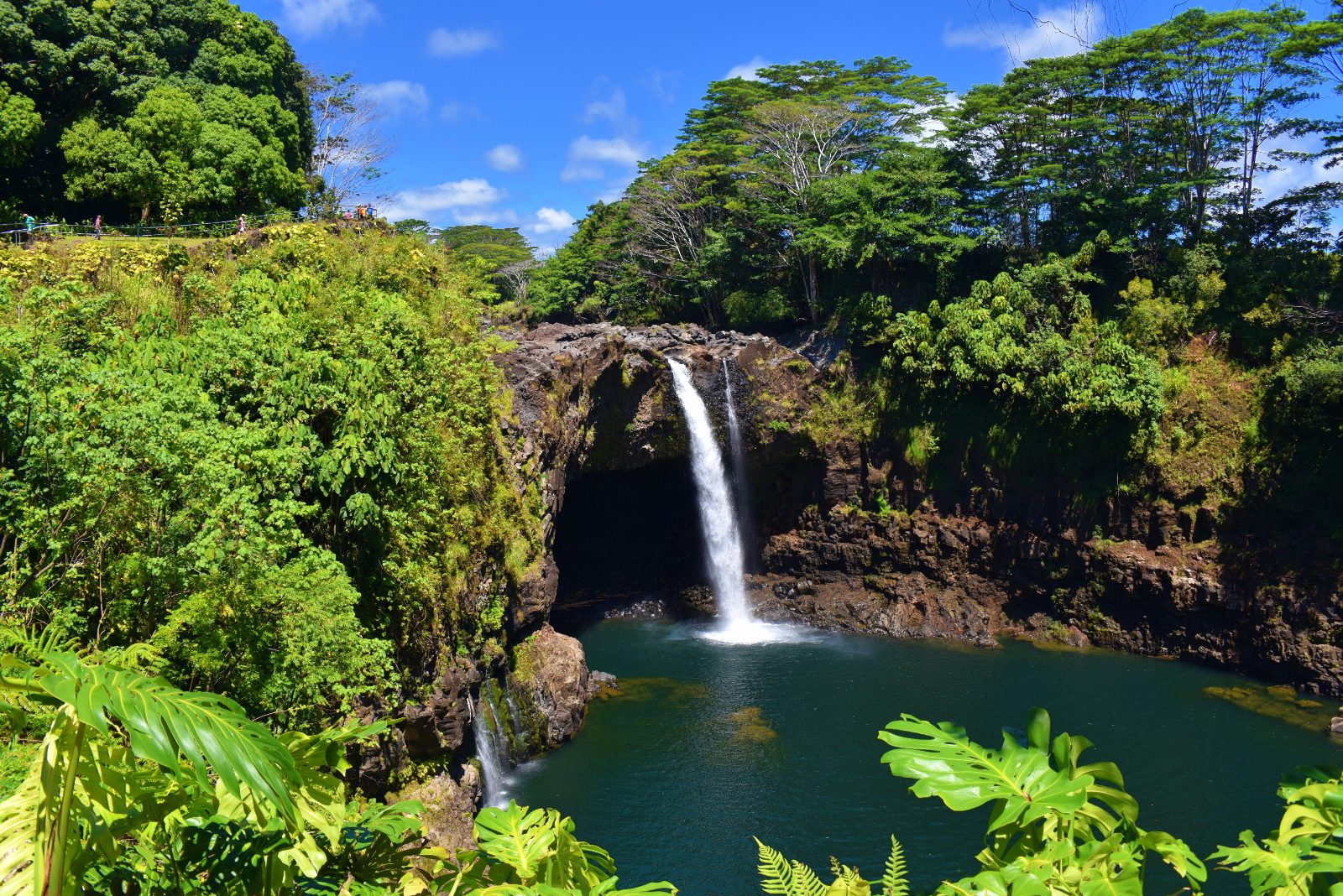
A scenic waterfall on the Wailuku River in Hilo, famous for the rainbows formed in its mist.
Flexible, no hidden fees.
All public telescope viewing programs at the station require an entry fee of 0 USD and have no cancellation charges. Private commercial bookings typically offer a full refund if cancelled at least 24 hours prior to departure.
Hand-picked options within walking distance — pick a district for vibe, or a specific hotel for convenience.
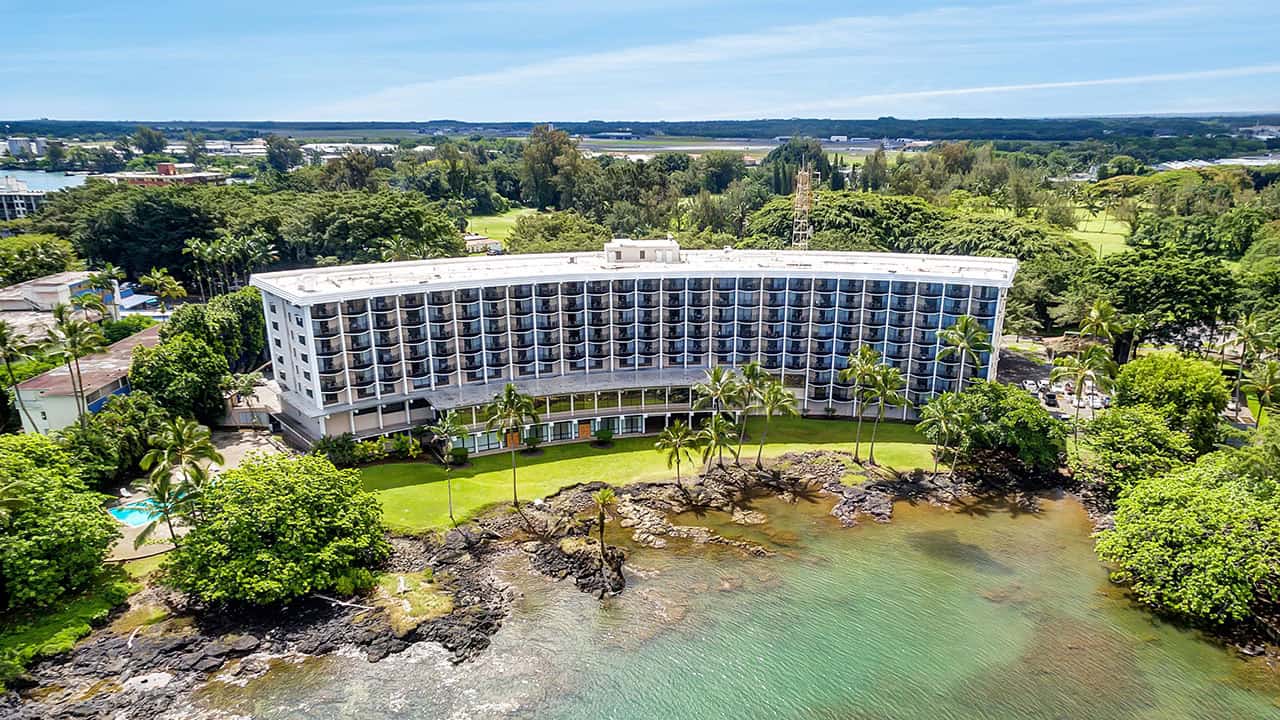
A comfortable oceanfront hotel located on Banyan Drive in Hilo.
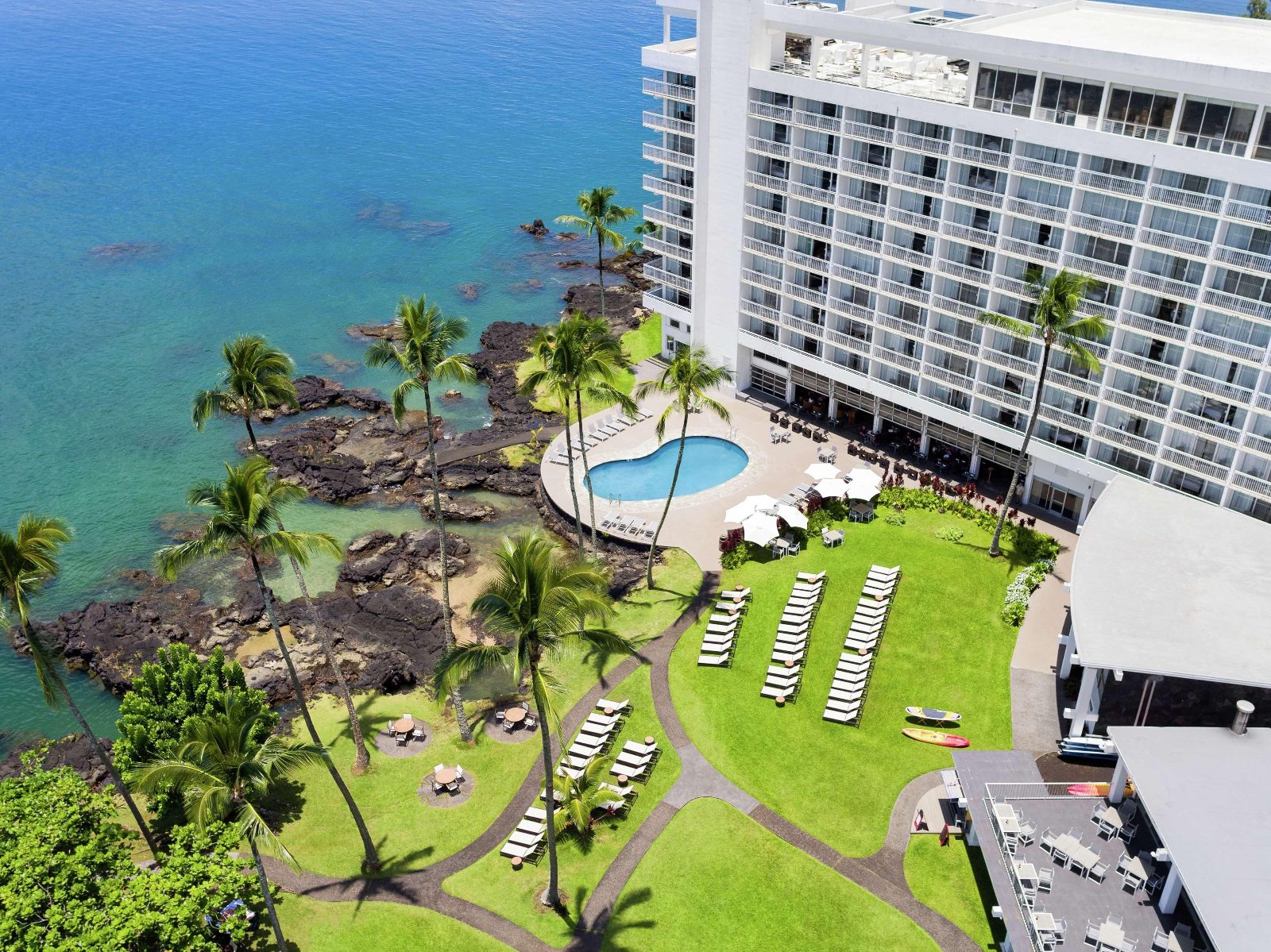
A modern resort option in Hilo offering views of Hilo Bay.
A scenic upcountry area with several bed and breakfasts and cozy lodge options.
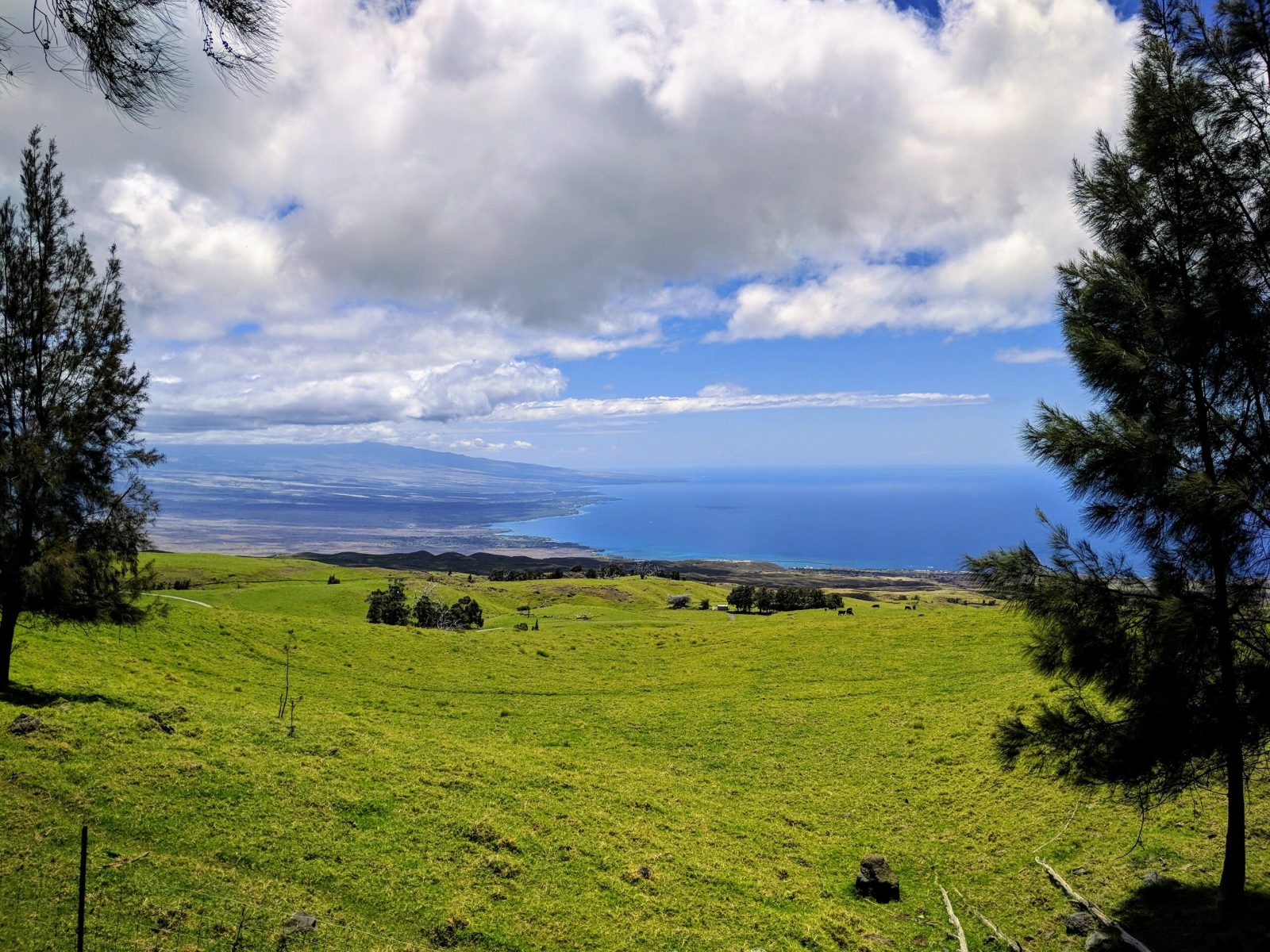
Measured from its base on the Pacific seafloor, Mauna Kea rises 10,210 metres — taller than Everest, though only 4,207 of those metres break the surface.
That hidden bulk explains the altitude a Mauna Kea stargazing tour must cross in a single evening, and why the summit sits above roughly forty percent of Earth's atmosphere and nearly all of its water vapour.
Hawaiians know the mountain as Mauna a Wākea and its upper reaches as wao akua, the realm of the gods. Long before any telescope stood here, workers quarried adze blanks from dense, fine-grained basalt near the summit; the Mauna Kea Adze Quarry spreads across roughly twenty square kilometres and ranks among the largest stone-tool sites known. Lake Waiau lies at 3,969 metres inside a cinder cone below the true summit at Puʻu Wēkiu. Snow settles on those cones most winters, which is how the peak took its common name — white mountain. Demand for Mauna Kea stargazing tour tickets rests on that cultural weight as much as on the optics.
Astronomy arrived in 1964, when a test telescope on Puʻu Poliʻahu confirmed Gerard Kuiper's suspicion that the seeing above this ridge ranked among the steadiest on Earth. The University of Hawaiʻi raised a 2.2-metre reflector in 1970. Thirteen observatories now share the summit plateau, backed by institutions from eleven countries: the twin 10-metre Keck reflectors, the 8.2-metre Subaru, Gemini North, and the James Clerk Maxwell submillimetre dish. Roughly 300 clear nights pass over them each year. Mauna Kea stargazing tour tour operators followed in their wake, working from both coasts of Hawaiʻi Island, and whether a Mauna Kea stargazing tour from Kona meets a steadier sky than the shorter run up from Hilo is a matter the trade winds settle nightly.
Public access concentrates at Halepōhaku, 2,804 metres up Mauna Kea Access Road, where the Onizuka Center for International Astronomy Visitor Information Station carries the name of Ellison Onizuka, the Kona-born astronaut lost aboard Challenger in 1986. Entry is free, and the station keeps 09:00–21:00 hours seven days a week at Mauna Kea Access Road, Hilo, HI 96720. Since 2022, Act 255 has moved stewardship of the mountain from the University of Hawaiʻi to the Mauna Kea Stewardship and Oversight Authority, a body weighing telescope leases against ancestral claims. Reddit threads and Mauna Kea stargazing tour reviews circle the same tension from the visitor's side. What the record shows is a single volcano serving two traditions of sky-reading, many centuries apart. Mauna Kea stargazing tour tours are only the newest form of a practice that predates the road.

"The summit stands above forty percent of the atmosphere and nearly all of its water vapour, which is why the stars there hold still."
A step-by-step walkthrough of Mauna Kea Stargazing tickets — what you'll see, how long each stage takes, and the details that matter.
You start at the coast in late afternoon and gain 2,800 metres in under two hours, which is why the Visitor Information Station at Halepōhaku is where the climb pauses. Entry costs nothing. You park on Mauna Kea Access Road, open the door, and meet air roughly fifteen degrees colder than the air you left.
The altitude reaches your fingertips before it reaches your head.
You aim for the 18:00–21:00 window, when dark skies after sunset give the steadiest conditions, and the station holds 09:00–21:00 hours every day of the week. The first half hour asks nothing of you: a slow lap of the lot, a litre of water, a second jacket. If you rode up on a Mauna Kea stargazing tour from Hilo, the run along Saddle Road took about ninety minutes, and your legs will thank you for standing still now.
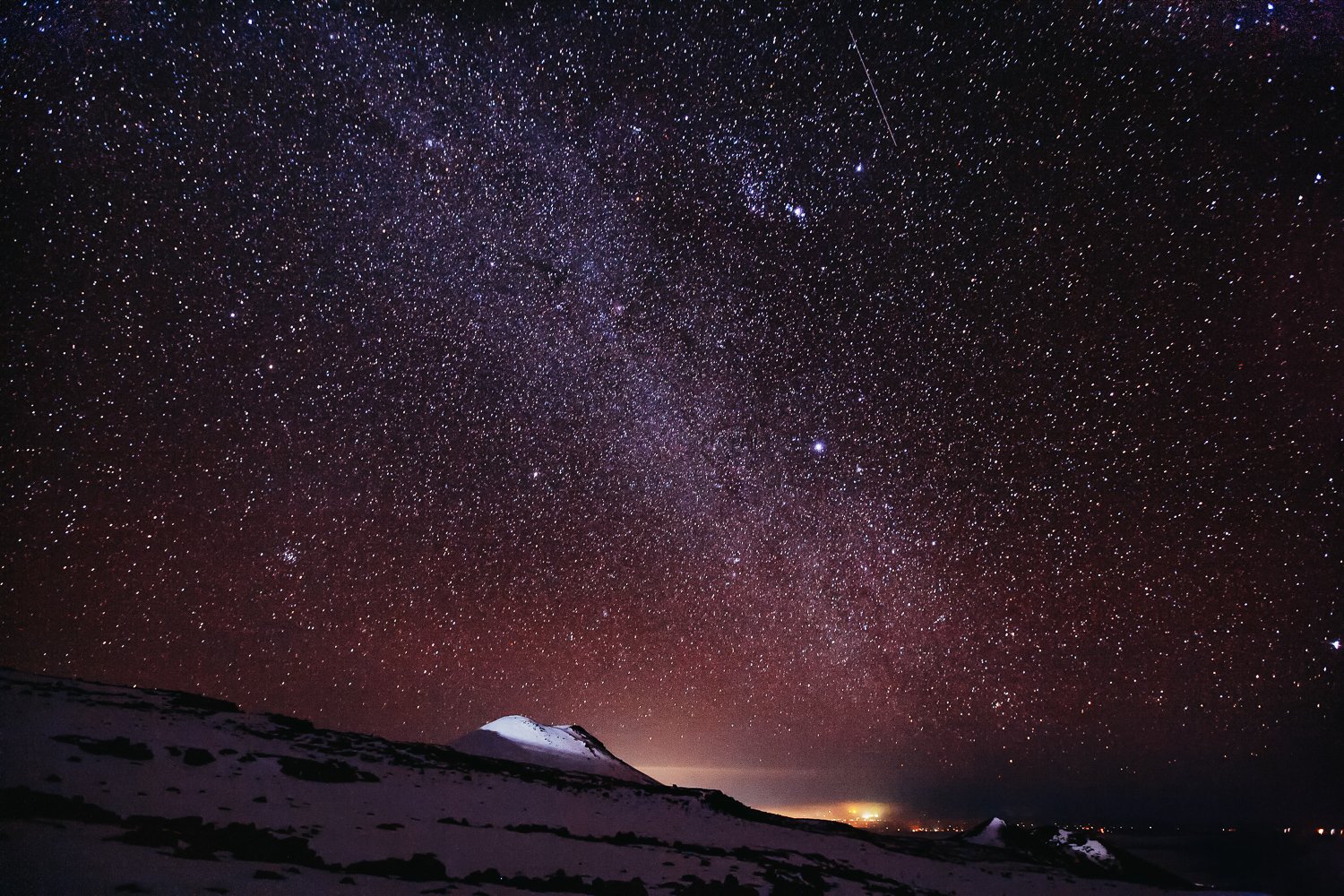
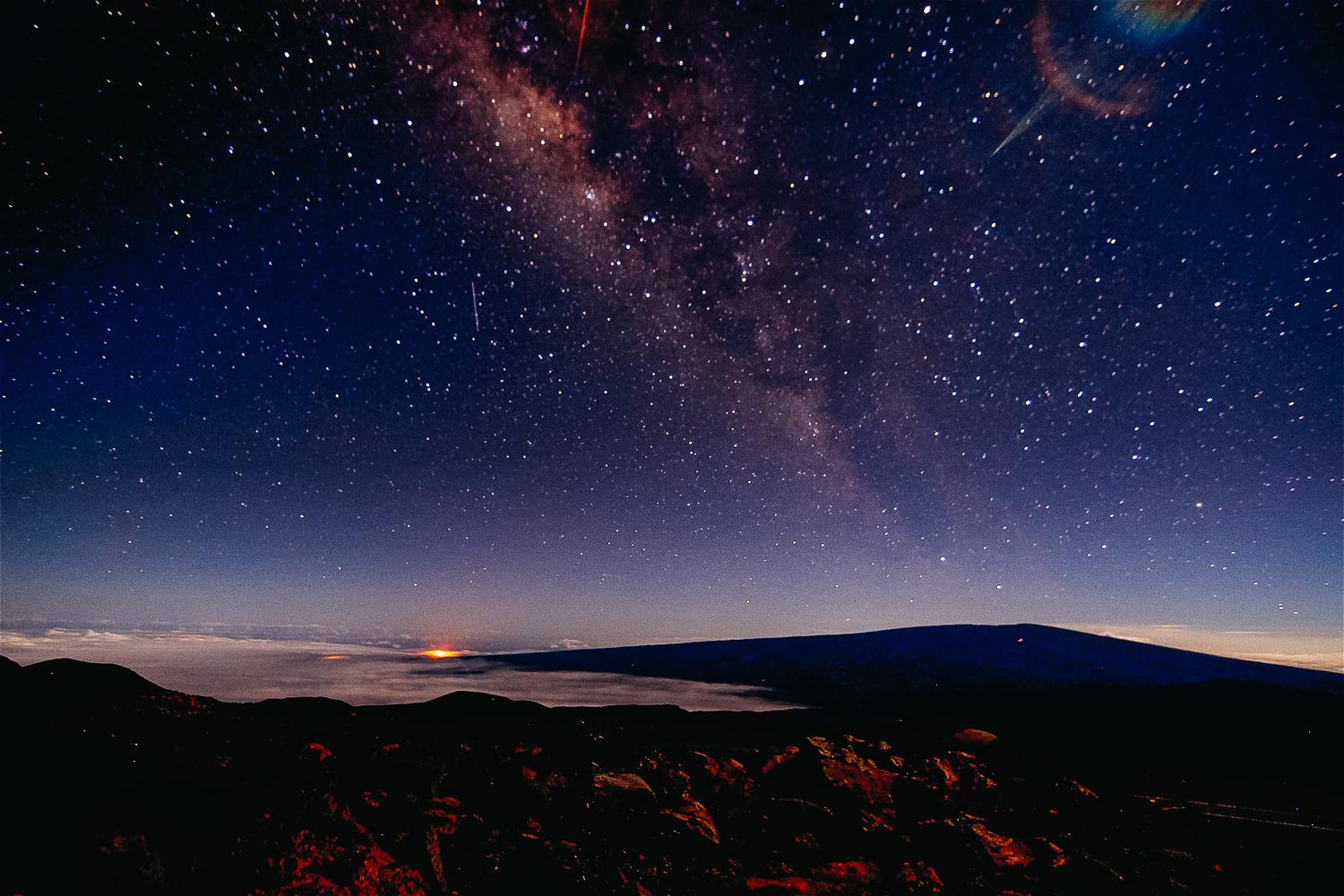
Sunset arrives over the saddle, Hualālai a dark wedge to the west, and the temperature drops again. Portable telescopes go up on the apron outside. You wait your turn at a scope trained on Saturn, then step away from the red lamps and let your pupils widen for ten full minutes. Overhead, the Milky Way runs from Scorpius through Sagittarius in a band thick enough to cast a shadow on white paper. In early August, Perseid streaks cut across it. You drive down before your hands stop working, and the sky closes behind you.
The Visitor Information Station is open daily from 09:00 to 21:00. You can enjoy the exhibition space and acclimatize before your evening stargazing program.
The entrance fee to the Visitor Information Station is 0 USD, meaning public access to the star viewing area is free. Private Mauna Kea stargazing tour bookings vary in price depending on the tour operator and inclusions.
Since public stargazing is free, the station-run activities have a cancellation fee of 0 USD. Private operators usually allow cancellations up to 24 hours in advance.
You should wear heavy winter coats, long pants, gloves, and close-toed shoes. The temperature at the mid-level facility often drops below freezing after dark.
There is no formal security checkpoint, but visitors must keep all luggage secured in their own vehicles as there are no storage lockers on the mountain.
Astro-photography is encouraged, but flash photography is strictly prohibited because it ruins night-sky visibility. Ensure all cameras and phones have flash disabled.
The best arrival window is 18:00–21:00, which offers dark skies after sunset for optimal stargazing conditions. Plan to arrive during this period to get a good parking spot.
Children under 13 are discouraged from going past the mid-level facility due to elevation health risks. Families are welcome to stay at the visitor center area where security and restrooms are nearby.
You can drive via the Daniel K. Inouye Highway (Saddle Road) and turn onto Mauna Kea Access Road. A four-wheel-drive vehicle is required to travel past the station to the summit.
Mobile phones must be set to airplane mode or turned off. Cellular signals interfere with the highly sensitive equipment at the radio observatories.